Managing Plantar Warts

Plantar warts are small, rough growths that appear on the soles of the feet, caused by the human papillomavirus, known as HPV. These warts are contagious and can spread through direct contact or by walking barefoot in public places like swimming pools and locker rooms. People with weakened immune systems, such as those with diabetes, HIV, or undergoing chemotherapy, are more likely to develop plantar warts. The virus thrives in warm, moist environments, making feet particularly vulnerable. Plantar warts can be painful, especially when pressure is applied while walking, and may appear with tiny black dots at their center, which are blood vessels. While treatments like salicylic acid can help, they often take time and may not work for deeper or larger warts. A podiatrist can offer a proper diagnosis and suggest effective treatment for plantar warts. Treatment options include cryotherapy, laser therapy, or minor surgical removal for faster, more lasting results. If you have a plantar warts, it is suggested that you schedule an appointment with a podiatrist.

Plantar warts can be very uncomfortable. If you need your feet checked, contact One of our podiatrists from Battle Creek Foot & Ankle. Our doctors will assist you with all of your foot and ankle needs.

About Plantar Warts

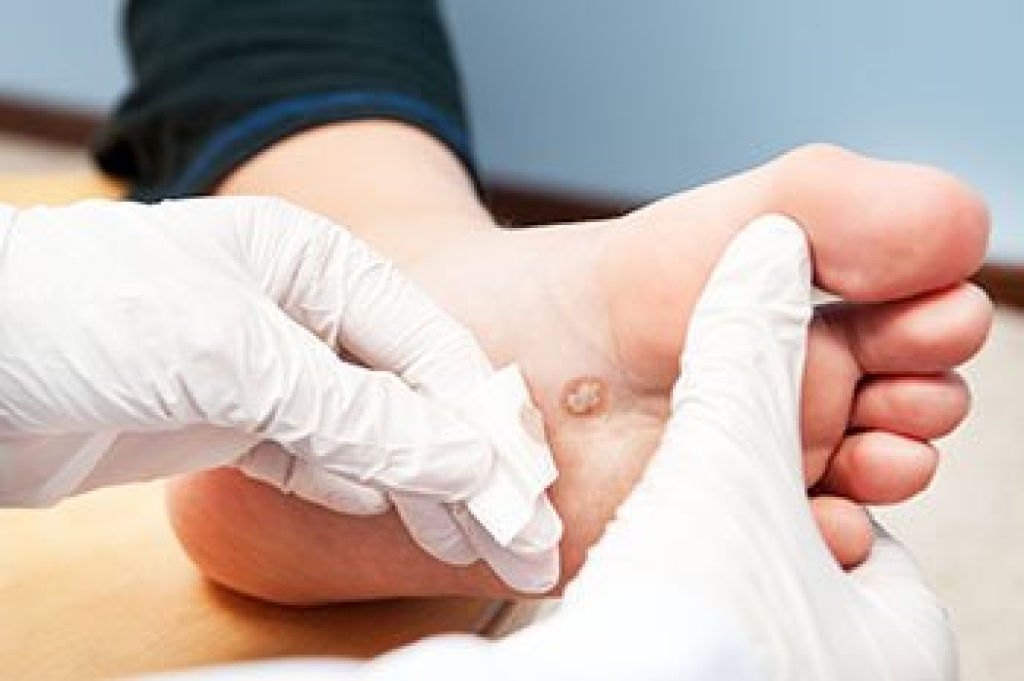
Plantar warts are the result of HPV, or human papillomavirus, getting into open wounds on the feet. They are mostly found on the heels or balls of the feet.

While plantar warts are generally harmless, those experiencing excessive pain or those suffering from diabetes or a compromised immune system require immediate medical care. Plantar warts are easily diagnosed, usually through scraping off a bit of rough skin or by getting a biopsy.

Symptoms

  • Lesions on the bottom of your feet, usually rough and grainy
  • Hard or thick callused spots
  • Wart seeds, which are small clotted blood vessels that look like little black spots
  • Pain, discomfort, or tenderness of your feet when walking or standing

Treatment

  • Freezing
  • Electric tool removal
  • Laser Treatment
  • Topical Creams (prescription only)
  • Over-the-counter medications

To help prevent developing plantar warts, avoid walking barefoot over abrasive surfaces that can cause cuts or wounds for HPV to get into. Avoiding direct contact with other warts, as well as not picking or rubbing existing warts, can help prevent the further spread of plantar warts. However, if you think you have developed plantar warts, speak to your podiatrist. He or she can diagnose the warts on your feet and recommend the appropriate treatment options.

If you have any questions, please feel free to contact our office located in Battle Creek, MI . We offer the newest diagnostic and treatment technologies for all your foot care needs.


Read more about All About Plantar Warts

How Pickleball Affects the Feet

Pickleball’s rapid rise in popularity has made it a favorite among players of all ages, but the sport’s dynamic movements can place significant stress on the feet and ankles. Common injuries from pickleball include ankle sprains, which often occur during rapid lateral movements, and Achilles tendonitis, a condition caused by repetitive stress to the Achilles tendon. Players may also experience plantar fasciitis, a source of persistent heel pain resulting from inflammation of the plantar fascia. Stress fractures, small cracks in the bones of the foot, can develop from repetitive impact, especially on hard court surfaces. A podiatrist can provide expert care by diagnosing the injury, offering treatments such as custom orthotics or braces, and suggesting strategies to prevent further damage. If you have foot or ankle pain after playing pickleball, it is suggested that you schedule an appointment with a podiatrist for treatment options.

Ankle and foot injuries are common among athletes and in many sports. They can be caused by several problems and may be potentially serious. If you are feeling pain or think you were injured in a sporting event or when exercising, consult with One of our podiatrists from Battle Creek Foot & Ankle. Our doctors will assess your condition and provide you with quality foot and ankle treatment.

Common Injuries

The most common injuries that occur in sporting activities include:

  • Achilles Tendonitis
  • Achilles Tendon Rupture
  • Ankle Sprains
  • Broken Foot
  • Plantar Fasciitis
  • Stress Fractures
  • Turf Toe

Symptoms

Symptoms vary depending upon the injury and in some cases, there may be no symptoms at all. However, in most cases, some form of symptom is experienced. Pain, aching, burning, bruising, tenderness, tightness or stiffness, sensation loss, difficulty moving, and swelling are the most common symptoms.

Treatment

Just as symptoms vary depending upon the injury, so do treatment options. A common treatment method is known as the RICE method. This method involves rest, applying ice, compression and elevating the afflicted foot or ankle. If the injury appears to be more serious, surgery might be required, such as arthroscopic or reconstructive surgery. Lastly, rehabilitation or therapy might be needed to gain full functionality in the afflicted area. Any discomfort experienced by an athlete must be evaluated by a licensed, reputable medical professional.  

If you have any questions please contact our office located in Battle Creek, MI . We offer the newest diagnostic and treatment technologies for all your foot and ankle needs.

Read more about Sports Related Foot and Ankle Injuries

Custom Orthotics For Foot and Heel Pain

Step into relief and reclaim your mobility! Foot and heel pain can be a thing of the past with the right Custom Orthotics. Customized to your unique foot structure, they provide the support and alignment needed to alleviate discomfort. Whether you're walking, running, or simply standing, Custom Orthotics ensure every step is cushioned and pain-free. Don't let foot ailments dictate your day. With Custom Orthotics, embrace a world of comfort and freedom. Call today to schedule an appointment.

Foot Problems From Working on Your Feet

Spending hours on your feet at work can lead to pain and problems in the feet, toes, and ankles. Common conditions like plantar fasciitis and bunions can develop or worsen due to prolonged standing, often linked to wearing poorly fitting shoes that lack adequate support. Wearing shoes with proper arch support and a slight heel elevation, ideally between one quarter to two inches, can help reduce foot strain. Ensuring shoes fit correctly, with adequate space for toes and a secure heel, prevents issues like blisters and circulatory problems. Stretching exercises, such as calf raises and wall stretches, can improve blood flow, ease muscle tension, and reduce discomfort after long shifts. A podiatrist can assist with diagnosing the source of foot pain and may recommend exercises, custom orthotics, or other ways to alleviate discomfort and prevent complications. This foot doctor can also provide suggestions on selecting footwear that best supports your specific needs. If you often experience foot pain after working on your feet, it is suggested that you schedule an appointment with a podiatrist for an exam and treatment. 

While working on the feet, it is important to take the proper care of them. For more information about working on your feet, contact One of our podiatrists from Battle Creek Foot & Ankle. Our doctors will treat your foot and ankle needs.

Working on Your Feet

Standing on your feet for long periods of time can cause stress and pain in your feet. Your whole body may experience change in terms of posture, back pain, bunions, callouses and or plantar warts. There are ways to avoid these conditions with proper foot care, smart choices and correct posture.

Positive Changes

Negative heeled shoe – Choosing this shoe type places the heel slightly lower than the ball of the foot. These are great for overall foot health. Find shoes that fit you correctly.

Go barefoot – Our feet were not designed to be enclosed for all hours of the day. Try to periodically expose your feet to air.

Eliminate Pain

Foot Exercises – Performing simple exercises, incorporating yoga and doing stretches are beneficial. This will allow increased blood flow to the area and muscles of the foot.

Achilles tendon – Stretching the foot out flat on the floor will relax the calf muscles and tendon. These exercises can be performed almost anywhere. Make sure you add these exercises to your daily regimen. 

With a little bit of this information and knowing more about foot health, you will notice changes. Foot stretches and proper footwear will help with pain and prevent further issues.

If you have any questions please contact our office located in Battle Creek, MI . We offer the newest diagnostic and treatment technologies for all your foot and ankle needs.

Read more about Working on Your Feet

How Foot Orthotics Help With Lower Limb Conditions

Foot orthotics are valuable tools for managing a range of lower limb conditions by providing essential support and improving alignment. People with conditions such as flat feet, overpronation, or plantar fasciitis often experience discomfort or pain due to improper foot mechanics. Custom-designed foot orthotics help correct these imbalances by redistributing pressure and promoting proper posture. For those with knee, hip, or lower back pain, orthotics can help alleviate strain by aligning the lower limbs more efficiently. Additionally, foot orthotics provide cushioning and shock absorption, which can reduce the impact on joints during daily activities or exercise. By addressing issues at the source and improving overall foot function, orthotics can enhance mobility, reduce pain, and support long-term joint health, making them an effective solution for individuals with various lower limb conditions. If you have any of the above conditions, it is suggested that you are under the care of a podiatrist who can determine which type of foot orthotic is right for you.

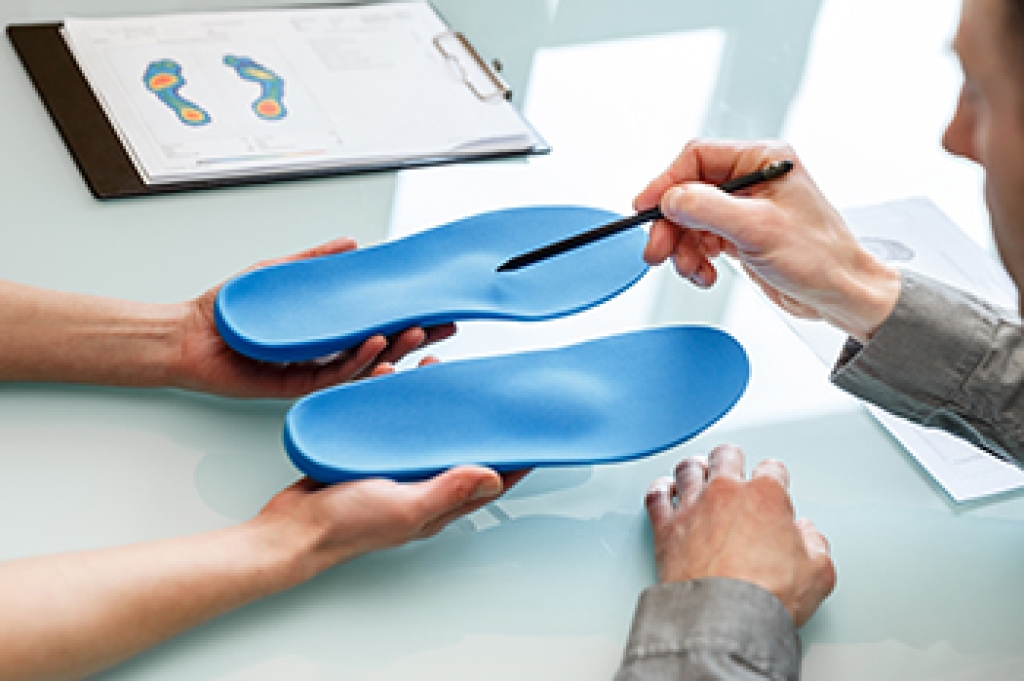
Custom orthotics are specialized shoe inserts created to support and align the feet according to each person’s unique structure and walking pattern. They are an effective way to relieve foot discomfort caused by conditions such as flat feet, high arches, plantar fasciitis, bunions, and heel pain. When the natural alignment of the foot is off balance, it can lead to pressure points, strain, and pain that affect how a person stands, walks, and moves. Orthotics work by redistributing weight evenly and supporting the arch to reduce stress on the muscles, tendons, and joints of the feet and lower legs.

Foot discomfort can develop for many reasons, including wearing improper footwear, long hours of standing, repetitive motion, or underlying structural problems. Over time, this discomfort can extend beyond the feet, contributing to knee, hip, or lower back pain. Custom orthotics help correct these issues by improving alignment and promoting more efficient movement. They are made using precise measurements and imaging to ensure the best fit for each patient, providing targeted support and cushioning where it is needed most.

Unlike generic insoles, custom orthotics are durable, medically designed, and tailored to your specific needs. Whether you are managing chronic pain, recovering from an injury, or simply seeking better comfort and stability, orthotics can make a noticeable difference in how your feet feel throughout the day.

If you are experiencing persistent foot discomfort or fatigue, it may be time to have your feet evaluated by a podiatrist. Call our office today for more information or to schedule an appointment.

If you have any questions, please feel free to contact our office located in Battle Creek, MI

Read more about Investing in Custom Orthotics Means Investing in Foot Health
scroll to top